Ayahuasca: A Guide for Safe Ceremonies
Ayahuasca is a plant brew from the Amazon, drunk for a long time in shamanic, spiritual, and therapeutic ceremonies. What people experience in them ranges from quiet insights to very intense inner images and feelings. Anyone considering a ceremony should inform themselves carefully and pay attention to a thoughtful setting. This text summarizes what I would say about it from my own experience and from accompanying other people.
What is Ayahuasca?
Ayahuasca is a plant brew made from two main ingredients: the vine Banisteriopsis caapi and a DMT-containing plant, usually Psychotria viridis. The combination acts on perception, body, and feeling for several hours. Reports range from quiet, clarifying insights to visionary states.
Ayahuasca is not a miracle cure and not a shortcut. It can set in motion something that otherwise stays closed. But it does not replace a longer path of working with one’s own life.
Forms of Ayahuasca ceremony
Depending on tradition and intention, Ayahuasca ceremonies can look very different. Three forms I most often encounter: shamanic, therapeutic, and religious. They overlap, but each emphasizes something else.
Shamanic ceremonies
Facilitation: Led by experienced shamans (e.g., curanderos or ayahuasqueros) from indigenous traditions or by Western neo-shamans.
Setting: Usually at night, carried by chants (icaros), live music, and ritual elements such as tobacco or Agua Florida.
Intention: Healing, spiritual connection, energetic cleansing. The form is deeply rooted in indigenous worldviews and asks for personal commitment.
Therapeutic sessions
Approach: Ayahuasca is used as an impulse for emotional and personal processes.
Setting: Accompanied by psychologists or therapists, often with focused preparation and integration. Individual or group, carried by music, silence, or conversation.
Intention: Tailored to psychological themes such as trauma, self-awareness, or emotional clarification.
Religious ceremonies
Origin: Syncretic churches like Santo Daime or União do Vegetal weave Ayahuasca into spiritual rituals.
Form: Highly ritualized, carried by hymns, meditation, and community.
Frequency: Frequent, regular participation, several times a month.
Choosing the right place
A careful setting is the precondition for an experience to be able to carry. What I would look at:
Experience of the facilitator: How long has this person worked with Ayahuasca? In what tradition? Who trained them?
Clarity and transparency: Reputable facilitators speak openly about risks, limits, and exclusion criteria for medical and psychological preconditions.
Safety: Small groups (no more than around 20 people) and enough supporting people during and after the ceremony.
Pre-conversation: The opportunity to meet the facilitator beforehand and ask questions.
Aftercare: Integration conversations, or at least a reachable contact person in the days afterward.
Recommendations: Conversation with people who have been there themselves, not just immediately after but able to report weeks later.
Your own gut feeling: A setting in which you feel invited rather than persuaded.
Risks
Ayahuasca is not suitable for every person. What should be considered before participating:
Medical
Contraindications: Cardiovascular disease, epilepsy.
Medications: Caution with psychotropic drugs (e.g., antidepressants, MAO inhibitors), which can lead to dangerous interactions.
Other physical risks: Severe reactions such as fainting or prolonged effects are rare but possible.
Psychological
Pre-existing conditions: With schizophrenia, psychosis, or bipolar disorders, the risk of adverse effects is significantly elevated.
Emotional intensity: Deep fears or old wounds can come up. Without a safe setting, this is not responsible.
Lack of integration: What opens up without a place to go afterward can burden rather than clarify.
Speak openly with the ceremony facilitation about your history. A reputable accompaniment will also exclude themes that don’t fit the setting.
What can change
What people take from such ceremonies varies a great deal. Some report a moving rediscovery of old feelings, of grief that finally had room, or of an unfamiliar quietness. Others experience phases of deep connection, with people, with nature, with themselves. Still others come back with a changed view of their previous life patterns, without yet being able to say what this view means in practice.
These experiences are not guarantees. They are hints that one can follow in life afterward, or not.
Preparation
Careful preparation changes the inner condition with which one enters the ceremony:
Physical: Light, regular eating, abstaining from alcohol, caffeine, and certain medications in the days before.
Emotional: Don’t enter a ceremony in acute distress. A calm environment in the days before helps.
Mental: Become clear about what question or intention you bring, without forcing a particular outcome.
Social: Open conversations with trusted people, especially those who can listen without sensation or skepticism.
Spiritual: Quiet time, meditation, movement in nature. Whatever brings you into contact with yourself.
The ceremony itself
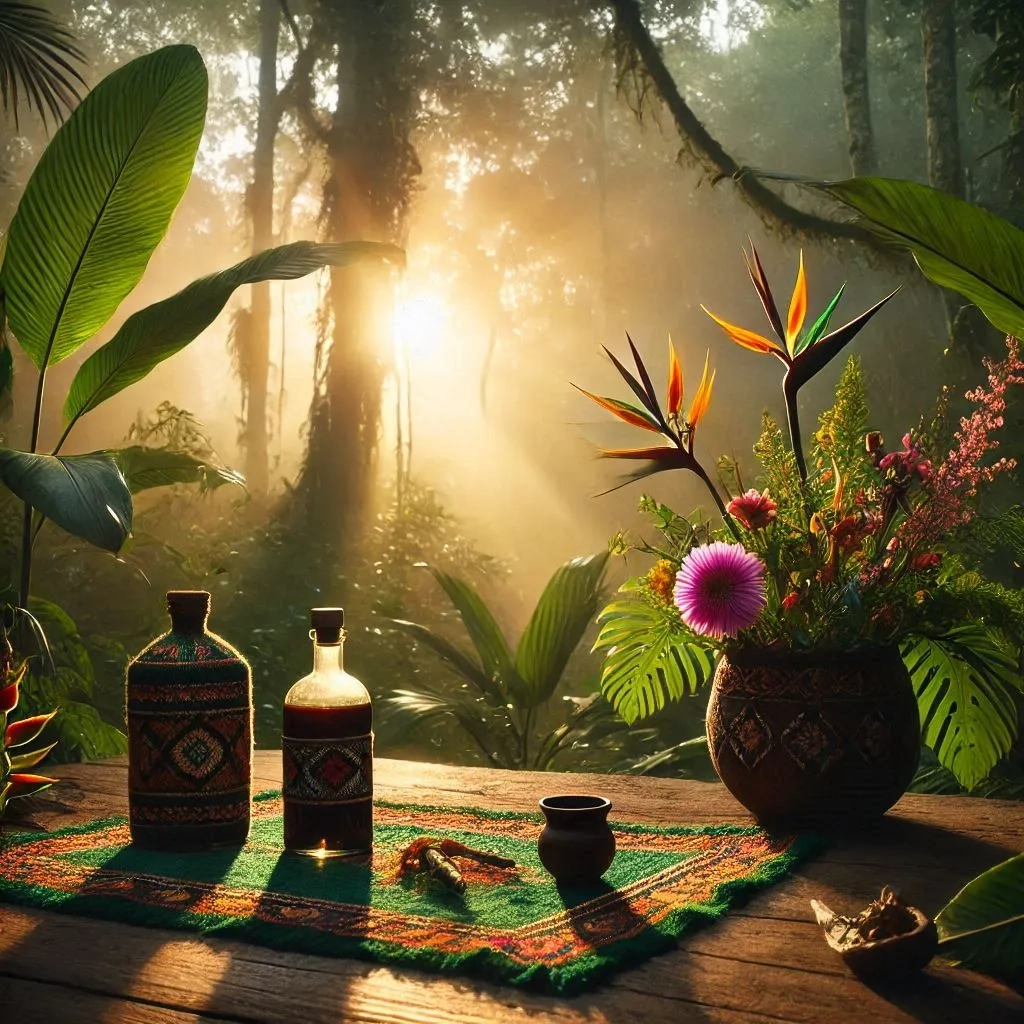
The effect sets in 10 to 60 minutes after ingestion and lasts about 4 to 8 hours. Possible: inner images, intense feelings, and insights, as well as quieter phases in which seemingly little happens. Difficult moments often belong to the experience. They can usually be moved through with breath, trust, and the presence of the facilitation.
After the ceremony: scale back stimuli, allow silence, write down what was experienced for yourself. An overnight stay at the place is advisable.
After the ceremony: integration
What allows an experience to become carrying is decided after the ceremony. The actual work begins then.
Processing: Writing, painting, movement, music. Anything that gives form to what was experienced, without immediately interpreting it.
Conversations: With therapists, integration accompaniers, or people who know similar experiences.
Anchoring it in life: What an experience has touched shows itself only in everyday life. In relationships, habits, decisions. There it is decided whether something has actually changed.
Further resources
Conversation with people who have walked a longer stretch of the path with Ayahuasca themselves.
Ayahuasca asks for respect, attentiveness, and careful preparation. With good accompaniment, a ceremony can open something that otherwise stays closed. But it does not replace a longer path of working with oneself.